







Search Results for: extraction duration
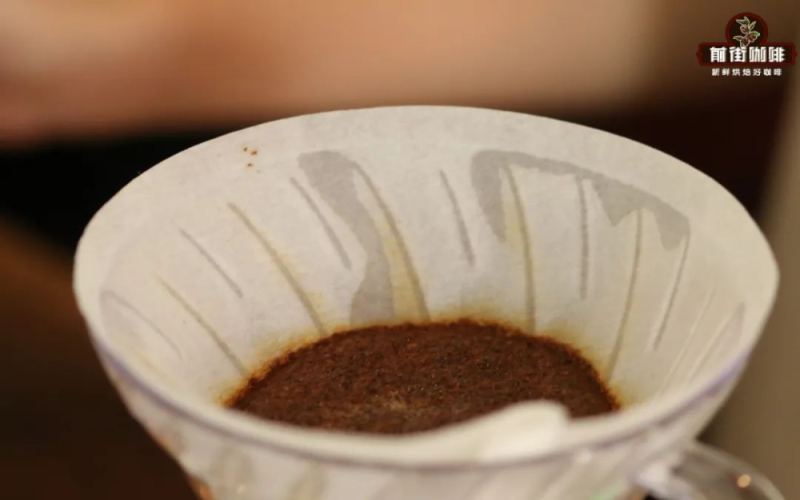
How to Control the Blooming Stage in Pour-Over Coffee? A Detailed Explanation of the Actual Impact of Water Volume, Duration, and Technique on Flavor
Blooming is a key step in pour-over coffee that affects extraction stability. By releasing carbon dioxide trapped in the coffee grounds, it creates the conditions for the smooth release of flavor compounds later on. But blooming is not absolutely necessary—the "one-pour" method previously shared by Front Street Coffee can skip this step entirely. So how exactly should you control the water amount, timing, and technique during blooming? Using 2x the coffee dose and 30 seconds as standard references, this article analyzes one by one the specific changes in coffee flavor when the water amount is too little or too much, and when the time is too short or too long, and offers pouring suggestions suitable for beginners to help you make more accurate judgments in actual practice. [more…]
Where Does Coffee Aftertaste Come From? An Analysis of the Differences in Aftertaste Duration Between Pour-Over and Espresso
Aftertaste is an indispensable part of coffee tasting. It refers to the comprehensive sensory experience brought by the substances remaining in the mouth and throat after swallowing coffee. Compared with taste and aroma, aftertaste is more subtle and requires certain techniques to be fully perceived. From the perspective of Front Street, this article explains the mechanism behind aftertaste, shares practical methods for perceiving it such as closed-mouth exhalation, and analyzes the difference between good aftertaste and bad aftertaste. At the same time, combined with specific products in the Front Street bean list, it explains the aftertaste emphases of coffees with different roast levels, and discusses the differences in aftertaste length between pour-over and espresso as well as their causes. [more…]
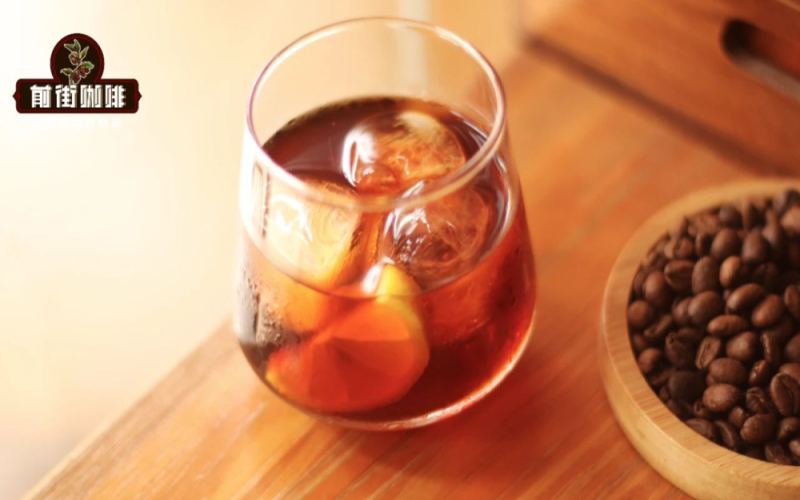
Cold Brew Coffee DIY Guide: Brewing Ratios, Storage Duration, and Health & Flavor Benefits Explained
Want to make refreshing, delicious cold brew coffee at home? The internet is full of recipes, and beginners often get overwhelmed by all the conflicting advice. This article starts with the basic principles of cold brew, explains how it fundamentally differs from hot-brewed coffee, and covers the recommended coffee-to-water ratio, steeping time, and optional cold drip equipment. We'll also explain why cold water extraction produces coffee with less acidity and bitterness and more sweetness and floral notes, and recommend three coffees ideal for cold brew — Front Street Coffee Butterfly, Front Street Coffee Natural Red Cherry, and Front Street Coffee Mozart — to help you choose beans without pitfalls and easily make a clean, bright cup. [more…]
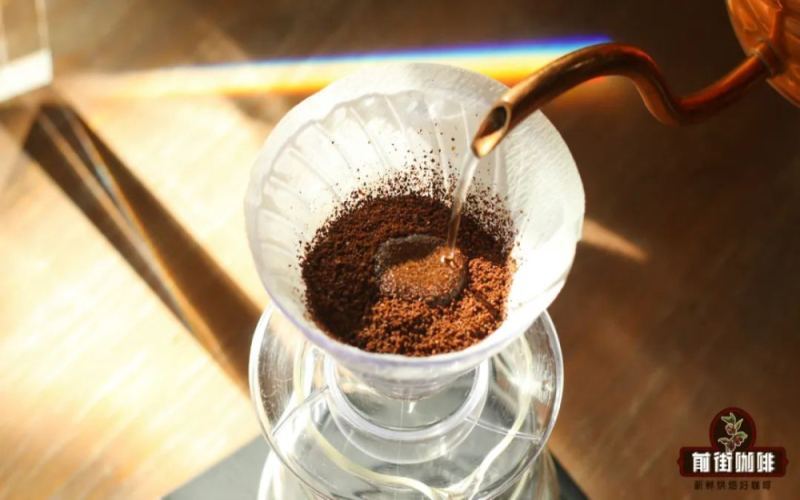
How Should the Blooming Time for Pour-Over Be Flexibly Adjusted? A Full Analysis from Bean Gas Content to Coffee Bed Condition
Blooming is an indispensable preparatory step in pour-over coffee. It works by wetting the coffee grounds with a small amount of hot water, releasing carbon dioxide and using capillary action to connect the particles, laying a uniform and efficient foundation for subsequent extraction. Many people are in the habit of always using a fixed 30 seconds, but coffee beans in different states actually have different requirements for bloom duration. Freshly roasted beans and light-roast, high-density beans need a suitably extended degassing time, while beans that have been sitting for too long or dark-roast beans are the opposite. This article will guide you through how to flexibly determine when to end the bloom based on the beans' gas content, roast level, and the wetness of the coffee bed and the frequency of off-gassing during blooming, as well as master pouring techniques for evenly wetting the coffee bed, bringing every cup of pour-over closer to perfection. [more…]
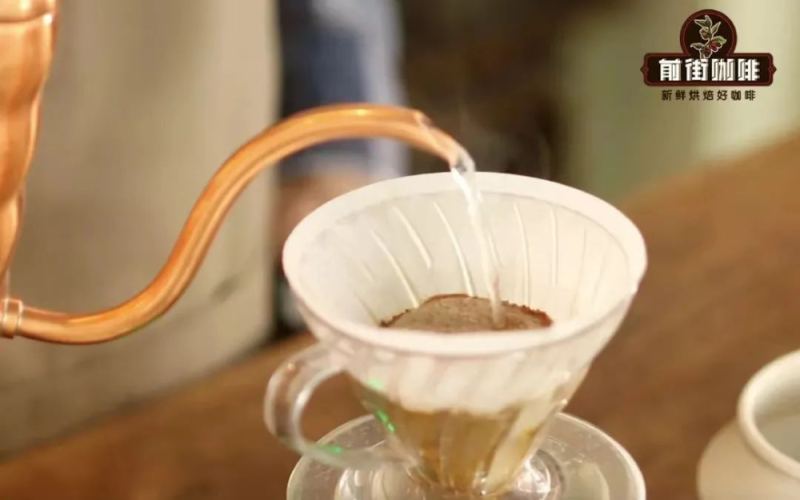
How Long Should the Bloom Last in Pour-Over Coffee? A Complete Analysis from Degassing Principles to Practical Timing
Blooming is an indispensable step in pour-over coffee, and it directly affects the flavor expression in the final cup. Many enthusiasts know they should bloom, but are confused about how long to bloom, why to bloom, and how to adjust under different circumstances. Starting from the principle of carbon dioxide hindering flavor release, this article divides blooming into three states—insufficient, excessive, and moderate—and explains their manifestations and consequences respectively, then further discusses the influence of resting period length, roast level differences, and pouring technique on blooming duration. Front Street will also share how, in actual brewing, it flexibly adjusts the blooming seconds according to the bean's condition, helping you find a rhythm more suitable for the bean at hand beyond the general 30-second suggestion. [more…]
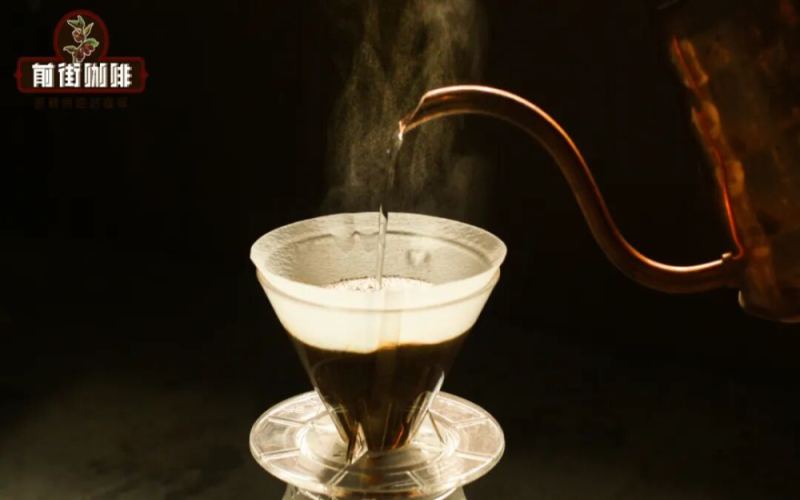
Bloom Duration | Does blooming coffee grounds for too long affect the coffee's flavor? Does a longer bloom increase the extraction yield of pour-over coffee?
Recently, a friend came across a post online: "If the blooming time is too long, it's easy to brew coffee that is under-extracted." Obviously, this statement goes against our long-standing understanding of blooming. Because as everyone knows, the purpose of blooming is to release the carbon dioxide in the coffee grounds, allowing us to more easily extract the coffee. [more…]
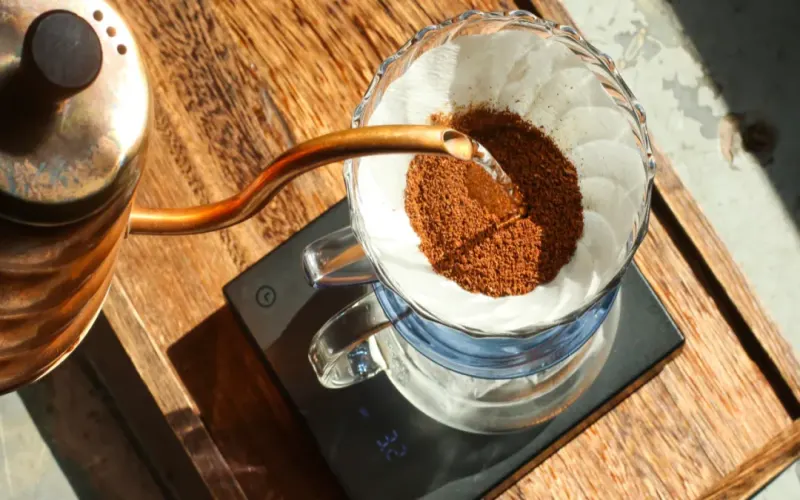
How Should the Bloom Time for Pour-Over Be Defined? Does It Count from the Moment Water Is Poured or from When Pouring Ends? A Full Analysis of the Difference Between 30 Seconds and 60 Seconds
In the pour-over coffee process, blooming is a step that seems simple yet often raises questions. Many people default to 30 seconds, but are not quite clear about when this duration actually starts, nor are they sure what changes extending it to 60 seconds or shortening it to 20 seconds will bring. Front Street Coffee conducted multiple sets of comparative experiments, testing the performance of no blooming, 30-second blooming, 45-second blooming, and 60-second blooming on coffee beans of different freshness levels. This article will focus on the core purpose of blooming—releasing carbon dioxide and improving extraction efficiency—to explain why 30 seconds is regarded as the safe choice, while also explaining how to flexibly adjust the time according to the condition of the beans, so that every cup of pour-over coffee can achieve the ideal flavor and mouthfeel. [more…]
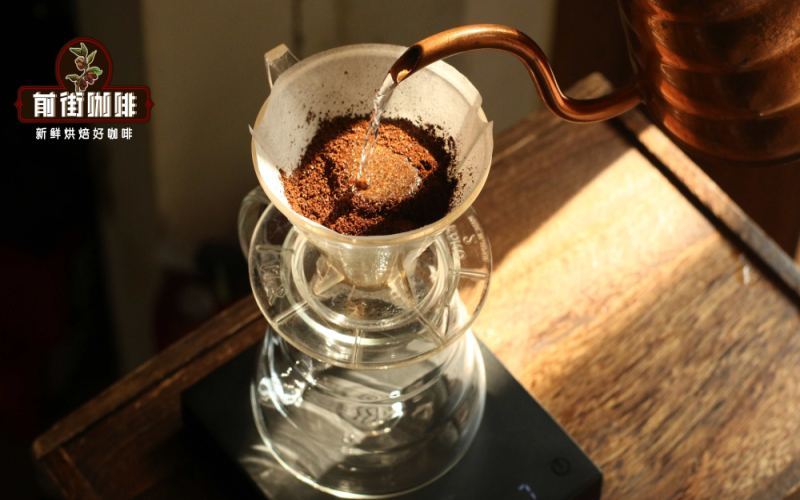
The Secrets of Pour-Over Coffee Extraction Time: A Complete Analysis from Grind Size to Brewing Framework
In the world of pour-over coffee, time is a unique presence—it is not a parameter that can be directly adjusted, but rather a comprehensive reflection of all brewing variables working together. For this very reason, extraction time becomes an important benchmark for judging whether other parameters are reasonable. This article will explore in depth how time affects coffee extraction yield, and why Front Street Coffee insists on using a brewing framework of 2 minutes ±10 seconds. From the direct impact of grind size on water flow rate, to the coordinated interplay of coffee-to-water ratio, water temperature, dripper model, and other parameters, we will break down each key factor affecting extraction time one by one, helping you understand how to use time as a window to diagnose and correct deviations in coffee flavor, so that every cup of pour-over consistently delivers the ideal taste. [more…]
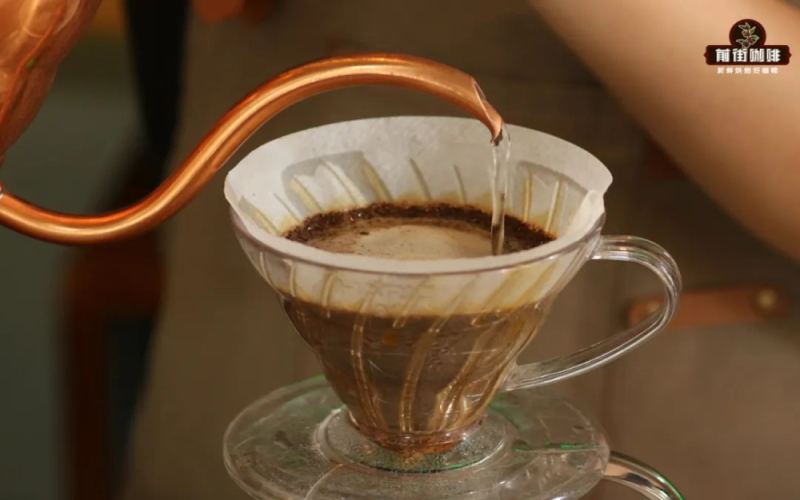
What variables affect the extraction time of pour-over coffee? A complete analysis of time references under different pouring techniques and parameters
The extraction time for pour-over coffee is not a fixed value; it fluctuates noticeably with variables such as pouring technique, coffee dose, coffee-to-water ratio, and grind size. Using a 15-gram dose as a baseline, this article systematically outlines the reference durations for the single-pour method and the three-pour method, and analyzes one by one the actual effects of increasing or decreasing the dose, adjusting the coffee-to-water ratio, and changing the grind setting on extraction time. At the same time, drawing on brewing practice data from Front Street Coffee, it explains how to use extraction time in reverse to judge whether pouring is appropriate and whether the grind is reasonable, so you can calibrate your own pour-over parameters more precisely. [more…]
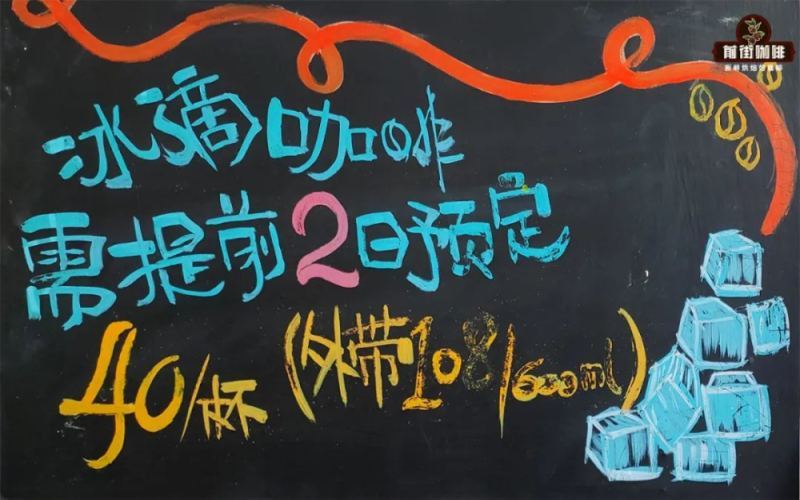
Ice Drip Coffee Fermentation Duration and Cold Brew Optimal Drinking Window: Production Key Points and Storage Recommendations
Cold brew coffee takes a long time to make, so it is often available only in limited quantities at cafés. It originated in Europe and is said to have been invented by the Dutch, which is why it is also called Dutch Coffee. During preparation, ice water seeps through the coffee grounds by dripping naturally, eventually flowing drop by drop into the lower pot, so it is also known as water-drip coffee, and the whole process usually takes more than 8 hours. This article will introduce the steps for making cold brew coffee in detail, including the key aspects of the coffee-to-water-to-ice ratio, grind size selection, filter paper placement, and drip rate control, while also answering common questions about cold brew coffee fermentation time and the best drinking period. The article also uses Front Street Strawberry Candy coffee beans as an example for a practical demonstration and explains the effect of low-temperature refrigeration "aging" on flavor, as well as why it is recommended to drink it within 5 days. [more…]

Must freshly roasted coffee beans be rested before drinking? A complete guide to the principles of resting, judging duration, and bloom testing
Do freshly roasted coffee beans really need to rest for a few days before brewing? This question puzzles quite a few coffee enthusiasts. This article, from the perspective of Front Street, discusses the core logic behind coffee resting: why are freshly roasted beans often recommended to be left to sit for a while? What role does carbon dioxide play in this? How long do beans of different roast levels need to rest? Can beans that haven't rested properly still be drunk? In addition, we'll share a simple bloom observation method to help you roughly judge the current state of your beans. Whether you're used to waiting patiently or prefer to brew straight from the bag, understanding this knowledge will let you handle every bag of coffee at hand with greater ease. [more…]
A Comprehensive Analysis of Cold Brew Coffee Ground Size, Flavor Characteristics, and Caffeine Content
Cold brew coffee, through its low-temperature, long-duration extraction process, presents a flavor profile completely different from hot brewing. This article will systematically explain the extraction principles of cold brew, how to manage grind size, how to adjust the water-to-coffee ratio, and where its mild sweet-and-sour, clean and smooth mouthfeel comes from. At the same time, using "Front Street · Washed Fruit Dingding" as an example, it shares the specific steps and flavor performance of making cold brew at home, and explains the rough estimation of cold brew caffeine content and the reasons why cold brew turns sour. Whether you are a beginner just starting out or an advanced enthusiast looking to adjust parameters, you can find practical references here. [more…]
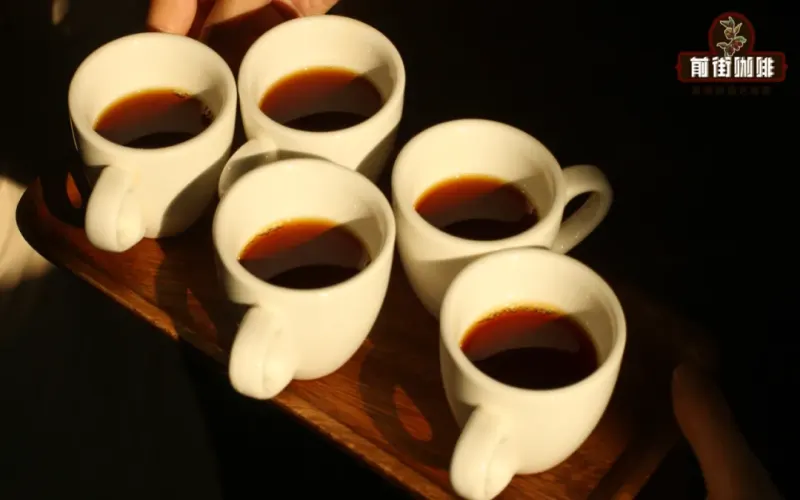
Is your pour-over coffee bitter and astringent? Understand the three causes of over-extraction and dial in your grind, time, and water temperature.
Does your pour-over coffee taste bitter and muddled? The problem is very likely over-extraction. The soluble substances in coffee beans make up about 30%, and among them are components that bring bitterness, astringency, and off-flavors. Once extraction goes too far, these negative flavors are released in large amounts. In this article, Front Street Coffee will walk you through the nature of over-extraction and, starting from the three key dimensions of grind size, extraction time, and water temperature, explain how to troubleshoot and correct coffee that has turned bitter, including how to use a No. 20 sieve to judge grind coarseness, how to control duration with the dripper and pouring rhythm, and the suitable water temperature ranges for different roast levels, helping you steadily brew a clean, balanced, and delicious cup of coffee. [more…]
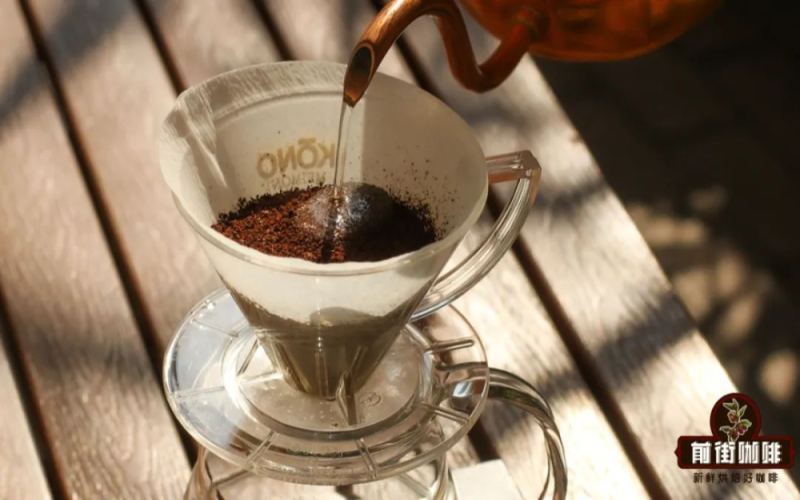
Why Is 30 Seconds the Benchmark for Hand-Pour Blooming? A Detailed Explanation of the Degassing Principle, Timing Judgment, and Whether It Counts Toward the Extraction Phase
Before formally pouring water for pour-over coffee, a small amount of hot water is usually used to wet the coffee grounds and let them sit for a moment. This step is called blooming. Many enthusiasts are familiar with the formula of "twice the water amount, wait 30 seconds," but they do not know where this number comes from, nor are they sure whether blooming counts as a stage of extraction. This article starts with the gases inside coffee beans after roasting, explains why blooming is necessary, how the two parameters of water amount and duration are determined, and what flavor problems insufficient blooming and excessive blooming each bring, helping readers understand that 30 seconds is only a conservative starting point for beginners, and that once skilled, one can judge flexibly based on the state of the coffee bed. [more…]
No Ice Drip Pot Needed: Homemade Ice Drip Coffee Tutorial and Cold Storage Duration Guide
In hot weather, a glass of cold brew coffee always brings a refreshing coolness. Front Street Coffee's cold brew has recently been in short supply, and many people choose it not only because its flavor differs from ordinary iced coffee, but also because they feel they can't make it at home. In fact, with just a dripper, a few filter papers, ground coffee, and ice cubes, you can put together a simple "home-version cold brew tower." This article breaks down in detail the equipment, parameters, operating steps, and common mistakes of this method, while also explaining the extraction impact caused by the structural differences between a dripper and a cold brew tower, and providing a list of Front Street beans suitable for making cold brew. Finally, it will also explain how long cold brew coffee needs to be refrigerated and fermented after it is formed, as well as how long it can be stored under refrigeration and at room temperature respectively. [more…]
Latte Art Practice Duration and Latte Milk Frothing Techniques: A Detailed Guide to Milk and Coffee Integration Key Points
To create beautiful latte art, hand speed and talent alone are far from enough—behind it lies a whole series of details involving milk foam condition, crema quality, extraction parameters, and even milk temperature. This article breaks down crema, coffee beans, extraction methods, milk handling, and pitcher-splitting techniques one by one, helping you understand the underlying logic of latte art and avoid unnecessary detours. Whether you are a complete beginner or an enthusiast looking to refine combination patterns, you will find directions worth practicing repeatedly. The article also combines the characteristics of several Front Street Coffee espresso blends to offer bean selection advice for latte art practice and serving. [more…]
How do grind size and differences in dripper and filter paper affect coffee extraction flow rate and time?
The duration of extraction is directly related to how many substances the hot water carries out from the coffee grounds, and the key to determining the extraction time lies in the penetration speed of the hot water through the coffee bed. Many people think that grind size is the only factor controlling flow rate, but in reality, different drippers and filter papers can also have a noticeable impact on flow rate. In this article, Front Street Coffee first reviews the basic effect of grind size on flow rate, then further breaks down the differences in structure and material among drippers and filter papers from different brands, to help you understand the relationship between flow rate and extraction in pour-over coffee more comprehensively. [more…]
Analysis of the Relationship Between Cold Brew Steeping Time and Flavor: A Guide to Overnight Drinking, Caffeine Content, and Healthy Consumption
Cold brew coffee, with its low-temperature extraction and easy operation, has become the top choice for many coffee lovers making iced coffee at home. But there are still plenty of questions surrounding it: Can you still drink it after leaving it overnight? Does it have less caffeine than hot coffee? How should you drink it to be healthier? Drawing on Front Street's hands-on testing experience, this article uses Red Cherry coffee beans in a comparative experiment with different steeping durations, sorts out the coordination logic among grind size, coffee-to-water ratio, and time, and offers two everyday cold brew scenarios to help you reliably make a delicious and reassuring cup of cold brew within the safe window of 8–18 hours. [more…]
Analysis of the Causes of Under-Extraction and Over-Extraction in Pour-Over Coffee and a Guide to Brewing Adjustment Methods
In the practice of pour-over coffee, under-extraction and over-extraction are two common yet frustrating situations. The former makes coffee sour, astringent, and thin, while the latter brings burnt bitterness and off-flavors. To solve these problems, one must first understand the principles of extraction—the process in which water passes through the coffee grounds and dissolves out flavor compounds. The ideal "Golden Cup" extraction requires concentration to fall between 1.2 and 1.4 TDS, with an extraction yield maintained at 18% to 22%. Exceeding or falling short of this range corresponds to over-extraction and under-extraction, respectively. This article will analyze the causes one by one from aspects such as coffee bean selection, brewing duration, pouring technique, and dripper material, and provide specific adjustment suggestions to help you achieve a balanced flavor more consistently in pour-over brewing. [more…]
How Does Pour-Over Water Flow Rate Affect Coffee Flavor? A Practical Analysis of Pouring Techniques and Coffee-to-Water Ratio
In the practice of pour-over coffee, the control of flow rate is often misinterpreted as a synonym for agitation intensity. Many enthusiasts and bloggers believe that a large flow means strong agitation of the coffee bed, while a small flow means gentle, minimal agitation. However, through experiments, Front Street Coffee has found that what truly determines agitation intensity is the pouring height and the speed of circling, while the flow rate actually determines the duration of contact between water and coffee grounds. This article will start with defining large and small flow rates, use comparative experiments to demonstrate extraction differences, and share practical pouring techniques and brewing ratios to help you more precisely master pour-over variables. [more…]